SelfdrivinRobot. JohannaReich. VGBildkunstBonn2025
Fòmora. 180cmx260cm. Video auf Tusch auf Leinwand. 2025. JohannaReich.VGBildkunstBonn2025
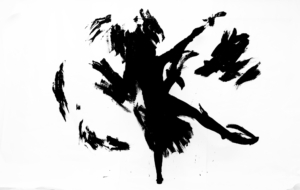
Me as a painting. Fragments. 4K video loop. 2024. JohannaReich. VGBildkunstBonn2025
Presseinformation zur Ausstellung
Johanna Reich. Lumёndra – Der Ursprung der Zeichen
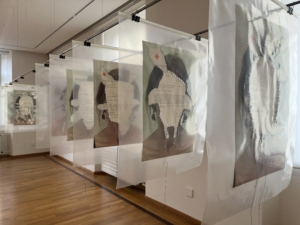
Presseinformation zur Ausstellung
Annegret Soltau – Zeiterfahrung
Presse Soltau mit Begleitprogramm
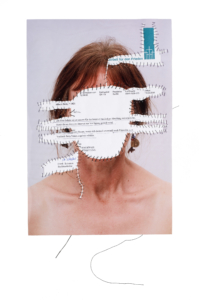
Abb.: Annegret Soltau, Blatt 6, 2003 aus der „Vatersuche“
Foto: Heinz Hefele / VG Bild-Kunst, Bonn 2024
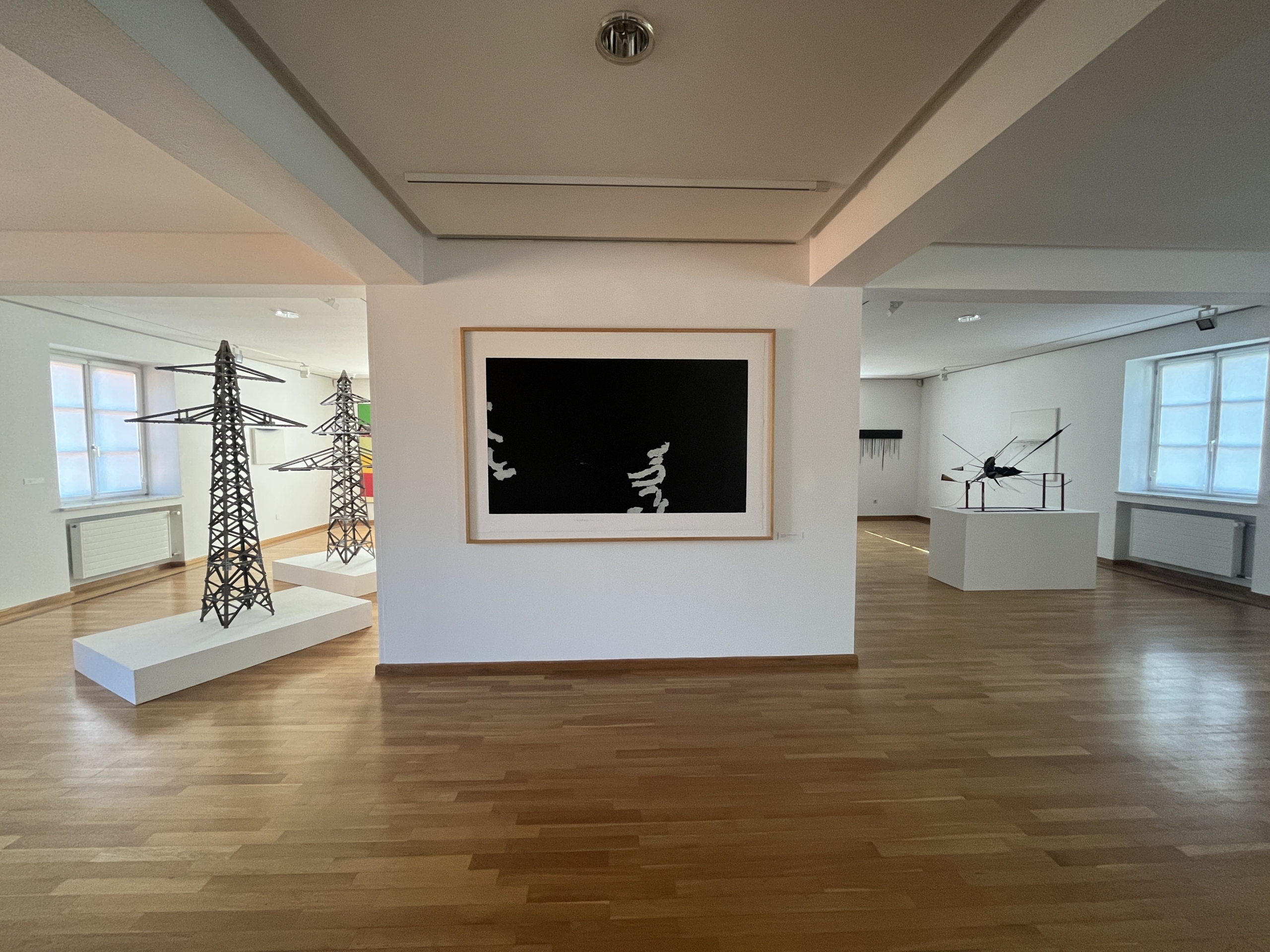
Herbert Warmuth – Interventionen
bis 28.2.2025
Warmuth. Pressemitteilung_Museum_Goch docx
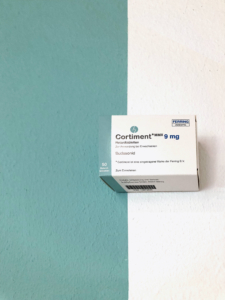
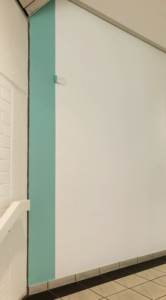
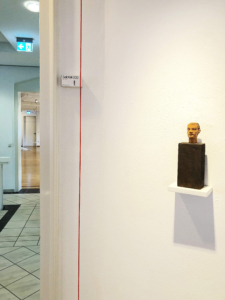
Fotos: Herbert Warmuth, 2024 / VG Bild-Kunst, Bonn 2024
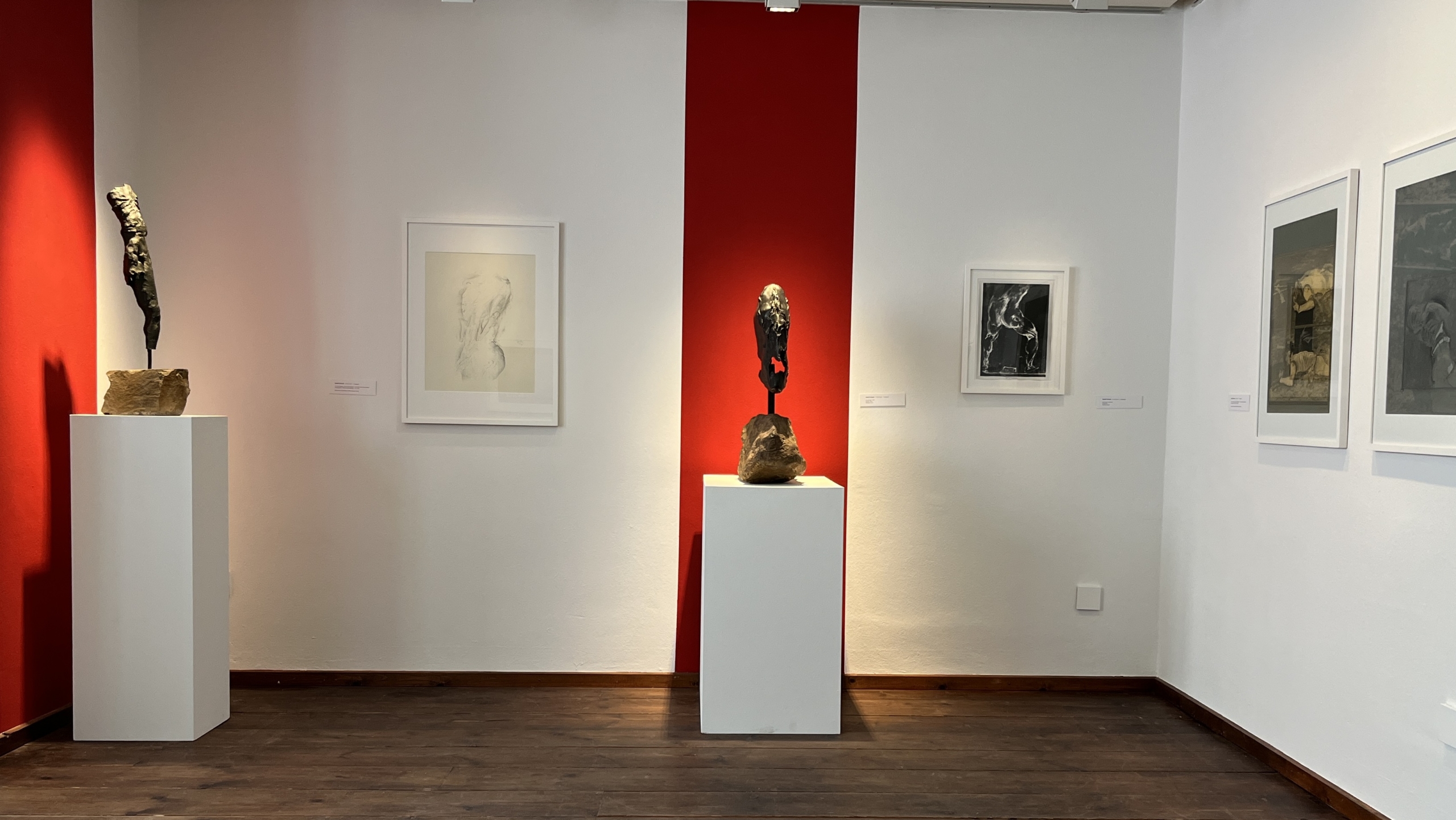
Presseinformation zur Sammlung
Unsere Sammlung erschließt sich in einem Dialog aus Kunstwerken von der Spätgotik bis zur Gegenwart.
Der Besucher durchläuft dabei keine Präsenation, die einer strengen Chronologie folgt, vielmehr kann er spannende Bezüge und Seherfahrungen entdecken. Die spätgotischen Skulpturen stammen vorwiegend aus dem Gebiet des Niederrheins. In dieser Region konnte sich im 15. Jahrhundert eine blühende Schnitzkunst entfalten konnte.
Einen weiteren Schwerpunkt bilden die Künstler Eduard von Gebhardt sowie Ferdinand Langenberg, die im im 19. Jahrhundert tätig waren. Ihre sowohl religiös wie auch künstlerisch hoch motivierte Bildhauerei sowie Malerei spannt jeweils einen interessanten Dialog zwischen katholischem und protestantischem Weltbild auf. Stimmig zu diesem Kontext ist in jüngerer Zeit auch der Nachlass der Künstlerfamilie Bartscher als Schenkung hinzugekommen.
Mit diesen historischen Werken korrespondieren die Arbeiten und Installationen nationaler wie internationaler Künstlerinnen und Künstler der Gegenwart. Unsere Sammlung junger Gegenwartskunst entwickelt sich aus unseren Ausstellungen heraus, indem versucht wird ein Werk zu übernehmen. Durch diese Erweiterungen entstehen immer wieder neue, spannenden Bezüge sowohl im Hinblick auf die alte Kunst wie auch auf das künstlerische Konzept des Hauses.
Auch um das Gebäude Museum herum setzt sich dieser Dialog im Figurengarten oder an der Fassade des Hauses fort. Hier haben Künstler wie Thomas Baumgärtel, Erich Krian, Reinhard Doubrawa oder Dieter Oehm eigene Werke fest installiert und so mit dem Haus dauerhaft verbunden. Im Museumsgarten, der sich zur Niers hin öffnet, finden sich unter anderem Werke von Klara Heimbach, Lothar Götz, Fides Becker oder auch Günter Zins.
Our Collection:
The collection of Goch’s museum spans an arc of international culture from the late Middle Ages to the present. This diversity is directly mirrored in the way the works of art are presented. The centuries meet here in playful dialogue. The meaning and importance of the art objects is thus revealed in an interplay of epochs, with the visitor himself building the bridge between the works and exploring their cultural context.
This approach combines our collection of late Gothic sculpture from the Lower Rhine with works from the Gothic Revival period, obtained for the museum collection through the estate of the Goch sculptor Ferdinand Langenberg, along with works by the Düsseldorf painter Eduard von Gebhardt, also from the late 19th century.
The works of the ZERO group represented by Günther Uecker, Heinz Mack and Otto Piene enjoy special status. On the principle of dialogue described above, these open up spaces of ideas in conjunction with paintings by Rudolf Schoof, Adolf Luther and Ulrich Erben. They also find correspondences with the works of such contemporary artists as Dong-Yeon Kim, Thitz, Mirko Martin, Jodi Bieber, Beate Terfloth and Gil Shachar, to name but a few.
The museum opens onto a beautiful garden overlooking the river Niers. Artists such as Günter Zins, Fides Becker, Klara Heimbach, Lothar Götz and Erich Krian have permanently installed their works here and in front of the museum and integrated them into the architecture.
Today, Museum Goch sees itself as a place of communication. In the close links between our permanent collection and the changing exhibitions, the museum is a public place of social discourse.
Interested friends of art and the museum come together in our Museum&Freunde e.V., founded in 1990. The activities offered range from art trips, lectures and artist talks to free admission to the museum. Together with Kunststiftung Goch, which we were able to found in 2008 thanks to private donors, our friends support the museum’s work and mission.
A very special concern of ours is the involvement of children and young people, whom we welcome, among other things, to our Museum Club. With special formats such as kids’ opening and our children’s editions, we encourage conversation on and interest in art and its social relevance, thus contributing to a culturally diverse, democratic society.
Fotos: Museum Goch